





Dron Cases
Leak-Proof Construction
Water resistance
Impact Resistance
Designed to withstand harsh conditions
Temperature Resistance
-30°C / +65°C
Color Options
Drone Cases
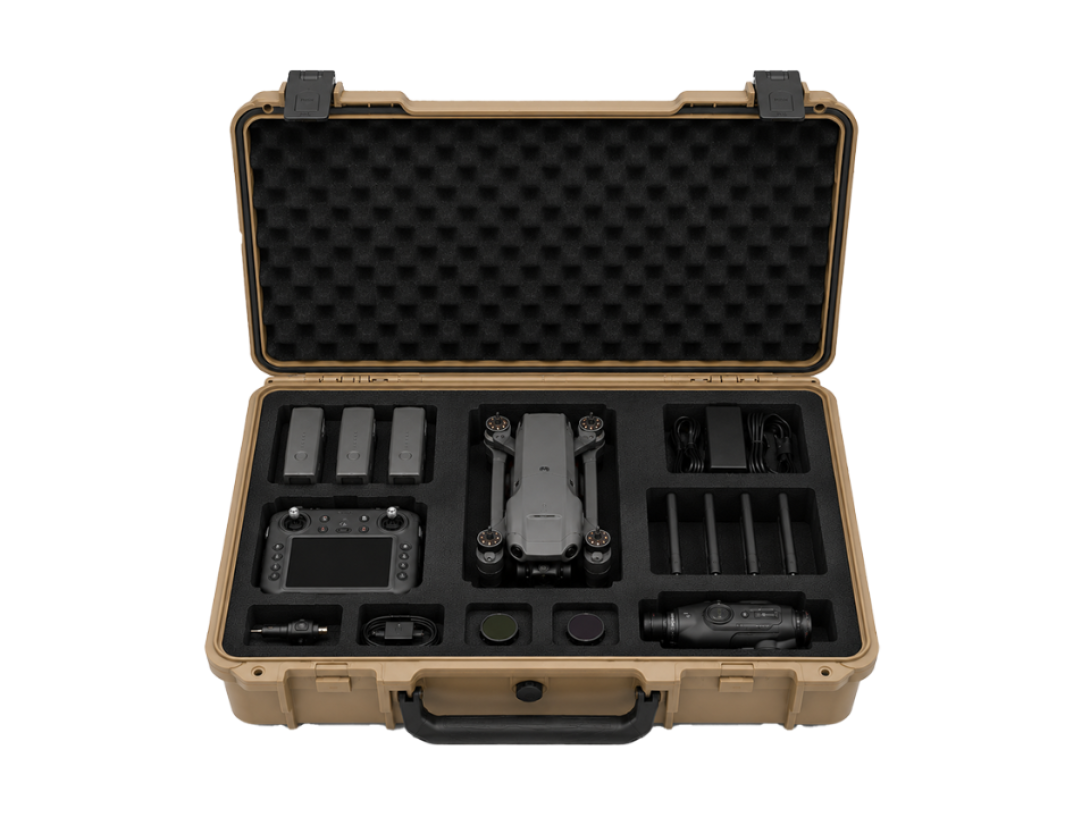
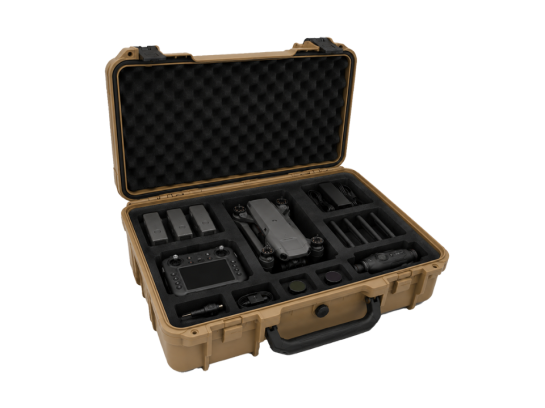
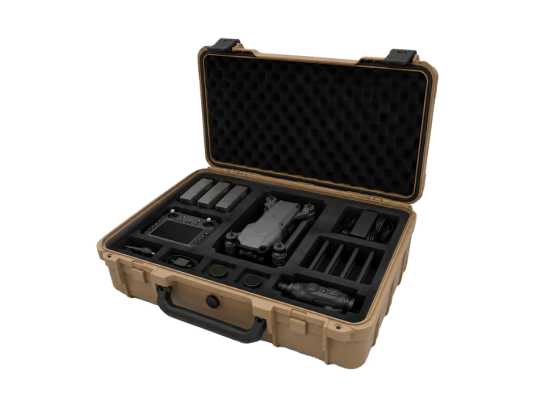
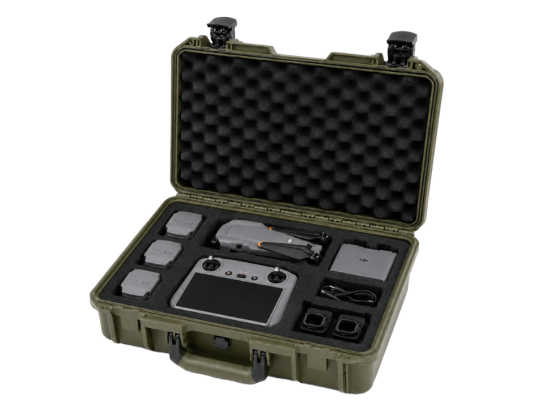
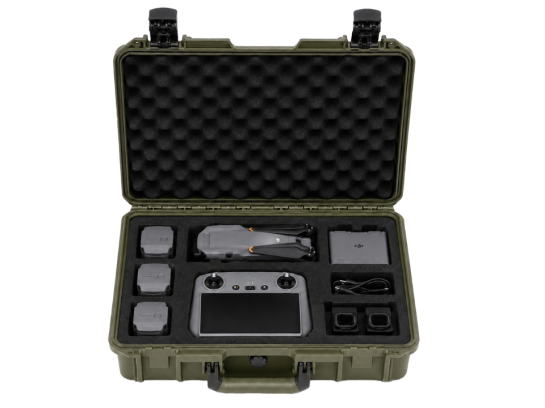
Drone cases protect aircraft, camera payloads, controllers, flight accessories during transport, storage, field deployment. NeithCase offers hard drone cases across multiple shell sizes, interior depths, custom foam configurations. Each layout reflects aircraft dimensions, gimbal position, propeller geometry, battery inventory.
Professional operators gain organized protection across camera drones, inspection systems, mapping aircraft, thermal platforms, FPV kits. Scalable formats accommodate different airframes.
Drone Equipment Applications
Professional drone transport cases accommodate diverse aerial equipment:
- Compact camera drones
- Folding consumer aircraft
- Enterprise inspection drones
- Industrial surveying platforms
- Thermal imaging drones
- Agricultural monitoring systems
- FPV aircraft kits
- Cinematic aerial cameras
- Emergency response drones
- Infrastructure inspection aircraft
- Photogrammetry equipment
- RTK mapping systems
Compact drone cases prioritize portability. Enterprise drone cases accommodate larger airframes, multiple batteries, specialized payloads. FPV drone cases organize goggles, controllers, antennas, spare propellers. Surveying UAV cases reserve space across aircraft, receivers, ground accessories.
Airframe Support Geometry
Drone bodies contain folding arms, landing legs, motors, obstacle sensors, antennas, exposed connectors. Foam support belongs around suitable chassis sections rather than delicate joints, shafts, sensors, antennas.
Arm orientation, propeller thickness, landing gear shape, payload height, battery position influence cavity depth. Uneven support creates twisting loads across hinges or pressure around projecting components.
Project-specific drone case design preserves clearance around sensitive features. Transport configuration follows airframe manufacturer instructions.
Gimbal Camera Protection
Gimbal assemblies contain delicate motors, articulated joints, exposed optical surfaces. Foam pressure across camera housings or moving gimbal arms risks unwanted mechanical loading. Protective cavities support aircraft structure while leaving adequate clearance around suspended payloads.
Install manufacturer-specified gimbal locks, camera covers or transport clips before packing whenever applicable. Remove locks before operation following equipment instructions. Some platforms permit protected onboard gimbal transport; others require separate payload removal. Dedicated compartments suit detachable cameras, thermal sensors, multispectral modules, lens accessories.
Protective packaging does not guarantee gimbal calibration, camera alignment or damage-free operation.
Propeller Packing Choices
Propeller storage depends upon aircraft design, mission turnaround, manufacturer guidance. Short field transfers sometimes permit installed propellers where correct folding plus adequate cavity clearance remain available. Longer transport or extended storage sometimes requires propeller removal.
Custom foam drone cases keep blades clear from shell walls, lid pressure, adjacent accessories. Dedicated compartments prevent bending, twisting or contact against tools. Inspect blades, motors, hinges following rough handling.
Case construction never replaces preflight checks or damaged-propeller replacement.
Custom Drone Interiors
Custom drone carrying cases begin from actual equipment measurements. Folded aircraft footprint, gimbal protector height, landing gear clearance, controller dimensions, battery count determine suitable shell size.
Foam planning includes finger access, lid depth, separation, weight distribution, extraction sequence. Controllers need clearance around joysticks, antennas, screens, charging ports. FPV goggles require protected lenses plus strap accommodation.
Loose cavities permit movement; excessive compression creates stress across arms, gimbals, screens or payload mounts. Balanced interior geometry supports repeatable packing throughout demanding field schedules.
Controller Payload Organization
Drone operations involve equipment beyond aircraft. Remote controllers, smart displays, charging hubs, power adapters, memory cards, spare propellers, repair tools, landing accessories need dedicated positions.
Surveying configurations sometimes include RTK receivers, ground-control equipment, radio antennas, data cables. Inspection crews carry thermal cameras, spotlights, speaker modules, interchangeable sensors. Cinematic teams organize filters, monitor accessories, recording media, video transmission equipment.
Clear layouts improve deployment speed, inventory checks, fleet handovers, mission preparation. Project-specific inserts separate heavy accessories from fragile components.
Flight Battery Handling
Flight batteries require careful treatment beyond simple compartment design. Allow recently used batteries sufficient cooling before enclosure. Follow manufacturer instructions covering storage charge level, inspection intervals, temperature exposure, ventilation requirements.
Spare batteries need separated positions, terminal protection, secure retention. Paired battery systems need clearly marked matched positions whenever manufacturer instructions require synchronized use. Damaged, swollen, leaking or overheated batteries never belong inside transport kits. Battery charging requires suitable equipment, approved procedures, adequate ventilation; closed protective cases are not charging chambers.
NeithCase protective drone cases do not function as fire-containment systems, thermal-runaway suppression devices or specialized battery safety enclosures.
Airline Transport Rules
Passenger flights impose separate lithium battery requirements. Spare batteries generally remain inside cabin baggage; terminals need protection against short circuits. Batteries above 100 Wh require airline verification before departure. Higher capacities, quantity limits, installed battery status, destination rules depend upon carrier approval plus applicable regulations.
Hard drone cases do not guarantee cabin acceptance, airline approval or compliant battery shipment. Commercial transport, cargo movements, damaged batteries or oversized battery packs require separate specialist assessment.
Moisture Temperature Boundaries
Water-resistant shell construction addresses external exposure during handling. Such construction does not control internal humidity, prevent condensation, maintain constant temperature or protect sensitive batteries against thermal abuse.
Pack aircraft dry after wet operations. Inspect damp foam, dirty propellers, contaminated landing legs, moisture around connectors before closure. Battery storage conditions follow original manufacturer guidance rather than case shell temperature claims.
Published case operating range spans -30°C through +65°C. This range describes shell operation, not drone flight approval, battery charging suitability, gimbal performance, camera functionality or internal climate control.
Field Deployment Mobility
Compact protective drone cases support lightweight aircraft, controllers, essential accessories. Larger formats accommodate enterprise airframes, payloads, surveying equipment, inspection kits.
Selected NeithCase models include wheels, improving movement across airports, industrial facilities, construction sites, survey locations, production sets. Loaded weight, access conditions, vehicle capacity, handling distance influence format selection.
Exterior colors include Black, Desert Beige, Desert Beige/Black, Khaki Green, Yellow, Orange. Color-coded cases support equipment allocation, operational teams, fleet identification, rental inventory, project separation.
Choosing Drone Cases
| Selection input | Configuration purpose |
|---|---|
| Folded aircraft dimensions | Shell size |
| Gimbal transport position | Camera clearance |
| Propeller configuration | Blade protection |
| Arm hinge geometry | Structural support |
| Controller dimensions | Screen plus joystick clearance |
| Battery rating | Airline verification |
| Battery quantity | Separate compartment planning |
| Mapping equipment | RTK accessory space |
| Payload modules | Sensor separation |
| Loaded case weight | Handling format |
| Wheel availability | Field mobility |
| Exterior color | Fleet identification |
Specifications include folded dimensions, gimbal cover height, propeller status, controller format, battery details, payloads. Share mission profile, handling conditions, projected quantities, branding requirements.
OEM Drone Programs
Drone case manufacturer expertise supports aircraft brands, inspection service providers, mapping specialists, agricultural technology companies, public safety teams, equipment distributors, rental fleets.
NeithCase develops project-specific solutions covering shell selection, foam architecture, colors, sampling, branding, production planning. Shared formats accommodate aircraft variants while preserving equipment-specific interiors.
Choose professional drone cases built around actual airframes, mission accessories, transport conditions. Send aircraft dimensions, payload details, battery specifications, controller requirements, projected volumes. NeithCase will recommend suitable protective formats supporting drone operations across international markets.
Fill Out the Form
You can fill out the form to request information about the product, inquire about pricing, or ask for additional details.