





Camera Cases
Leak-Proof Construction
Water resistance
Impact Resistance
Designed to withstand harsh conditions
Temperature Resistance
-30°C / +65°C
Color Options
Camera Cases
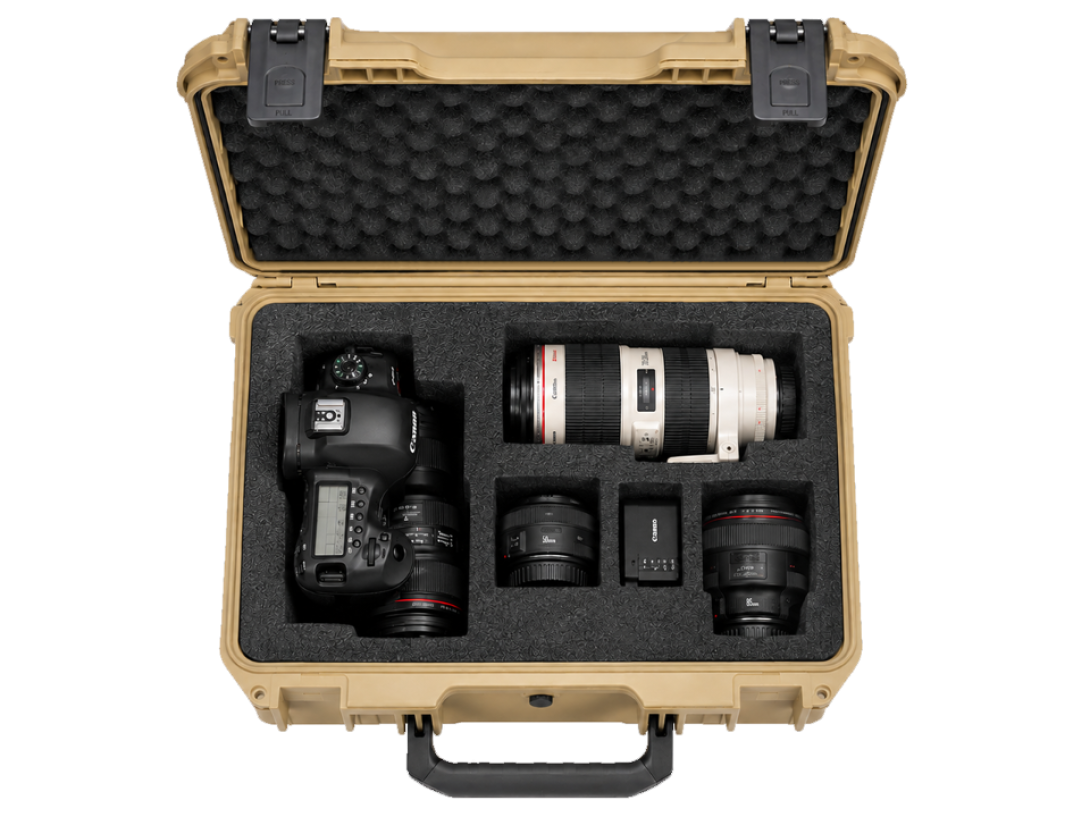
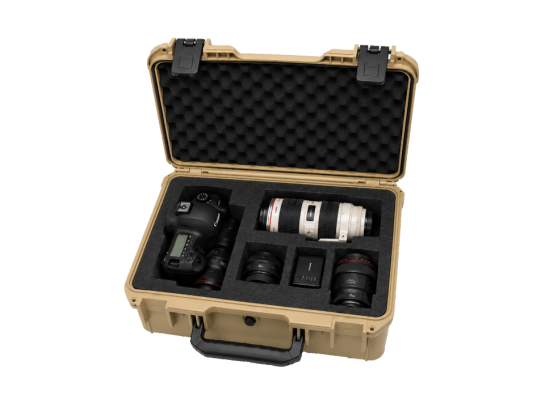
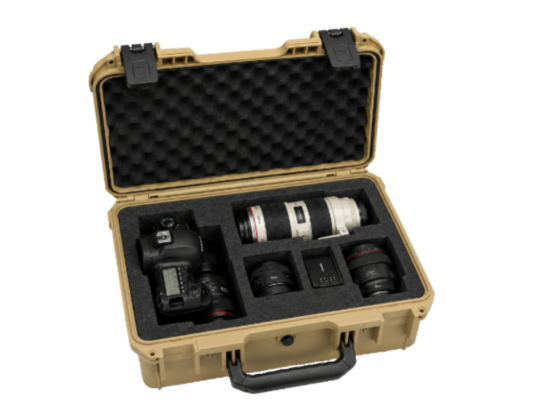
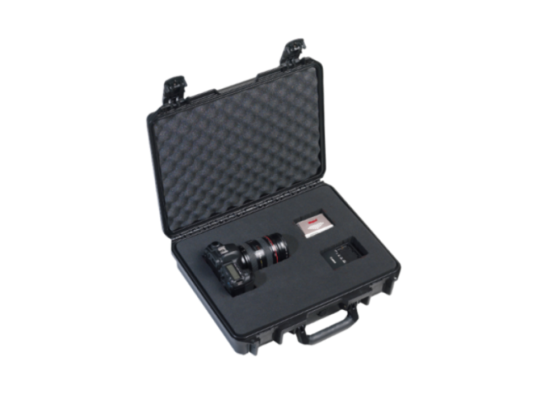
Camera cases protect camera bodies, interchangeable lenses, production accessories during transport, storage, location changes. NeithCase offers hard camera cases across multiple sizes, interior depths, custom foam configurations. Each layout reflects equipment geometry, accessory inventory, handling demands.
Photography crews, filmmakers, broadcasters, rental houses, equipment manufacturers gain organized protection across mirrorless kits, DSLR systems, cinema camera rigs, monitor packages.
Camera Equipment Applications
Professional camera equipment cases accommodate diverse imaging equipment:
- Mirrorless camera bodies
- DSLR camera systems
- Cinema camera packages
- Broadcast video cameras
- Professional camcorders
- Prime lens collections
- Zoom lens kits
- On-camera field monitors
- Handheld gimbal systems
- Audio recorder packages
- Lighting control accessories
- Multi-camera production kits
Mirrorless camera cases prioritize compact footprints. DSLR camera cases accommodate deeper grips. Cinema camera cases organize assembled rigs, monitors, transmitters, recording media. Wildlife photographers need telephoto clearance; event crews value rapid access. Multiple case sizes support such different payloads.
Camera Body Protection
Foam cavities cradle robust chassis surfaces while keeping pressure away from LCD panels, viewfinders, hot shoes, microphones, control dials, exposed ports, articulated screens. Lid clearance includes cages, top handles, quick-release plates, battery grips, wireless transmitters.
Detached lenses need clean front caps plus rear caps. Camera bodies stored separately need clean body caps covering exposed lens mounts. Proper preparation reduces unwanted exposure during packing; protective shell construction never guarantees dust-free sensor conditions.
Grip depth, eyecup projection, screen position, baseplate height influence cavity geometry. Project-specific planning keeps fragile protrusions clear while supporting structural sections.
Lens Mount Loading
Mounted lenses create leverage across camera mounts, particularly during vibration, abrupt handling, uneven vehicle movement. Long telephoto lenses, heavy cinema glass, extension adapters, rod assemblies deserve individual review.
Depending upon lens mass, barrel length, manufacturer instructions, either separate body/lens cavities or coordinated body/barrel support provides suitable geometry. Foam avoids front elements, focus rings, zoom controls, filter threads, unsupported mount loading.
Detached transport sometimes improves weight distribution. Mounted transport sometimes accelerates deployment. Custom camera case design must address mounting loads rather than simply increasing foam tightness.
Custom Camera Interiors
Custom foam camera cases begin from packed dimensions rather than camera names. Drawings, equipment samples, accessory inventories, operating routines guide cavity depth, spacing, finger access, lid clearance, weight distribution.
Planning includes battery grips, cages, handles, lens hoods, tripod collars, mounting plates, transmitters. Component positions reflect protection plus practical shooting sequence.
Foam selection depends upon payload mass, surface sensitivity, deployment frequency. Optical surfaces, display coatings, polished housings require compatibility assessment. Loose cavities permit movement; excessive compression creates unwanted loading.
Cinema Rig Organization
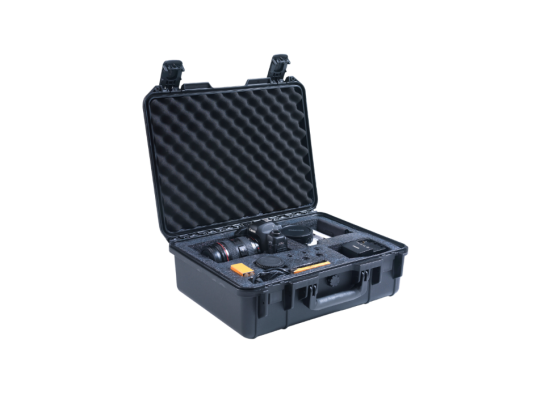
Preassembled camera packages shorten location setup, yet attached accessories create complex transport shapes. Matte boxes, follow-focus units, rails, recording drives, wireless receivers, microphones, battery plates, monitor arms need planned clearance.
Some configurations fit assembled. Others require detached accessories preventing pressure across connectors, mounting points, articulating screens.
Dedicated compartments keep memory cards, readers, cables, timecode devices, lens filters, cleaning kits, power adapters visible. Rental teams benefit from repeatable loading positions, faster inventory checks, organized handovers, consistent equipment presentation.
Monitor Screen Protection
Camera monitor cases need recessed display placement, edge support, clearance around HDMI connectors, SDI ports, battery plates, mounting arms, sunhoods. Foam contact belongs around structural housing zones rather than display glass.
Remove protruding cables before storage unless enclosure geometry provides adequate connector clearance. Scratch-sensitive finishes require material compatibility review. Case construction does not guarantee display performance or calibration retention.
Battery Travel Planning
Camera batteries create transport obligations beyond shell protection. Spare lithium batteries, power banks, battery grips, monitor batteries, wireless transmitter packs follow carrier requirements plus local aviation rules.
Passenger flights generally require spare lithium batteries inside cabin baggage. Terminal protection helps reduce short-circuit risk. Battery ratings above 100 Wh require airline verification before departure; acceptance depends upon carrier, route, battery condition, installed status.
Damaged batteries never belong inside travel kits. Hard camera cases do not override airline size limits or hazardous-goods requirements.
Moisture Temperature Boundaries
Water-resistant exterior construction addresses external exposure during handling. Such construction does not control internal humidity, prevent condensation, maintain constant temperature, guarantee sensor cleanliness.
Movement between cold outdoor locations plus warm studios creates condensation risks around lenses, sensors, electronic contacts. Controlled acclimatization follows device manufacturer instructions. Pack equipment dry; inspect wet foam, damp straps, contaminated interiors before closure. Desiccant use requires compatibility assessment, suitable placement, regular monitoring.
Published case operating range spans -30°C through +65°C. This range describes shell operation, not camera approval, battery suitability, lens performance, internal temperature stability, thermal insulation. Device-specific operating limits remain decisive.
Rolling Production Mobility
Compact case formats support mirrorless bodies, lens pairs, monitor kits, portable accessories. Larger formats accommodate cinema cameras, assembled rigs, lighting controls, multi-device production packages.
Selected NeithCase models include wheels, supporting movement across airports, studios, event venues, exhibition halls, industrial locations. Loaded weight, travel distance, vehicle space guide mobility decisions.
Available exterior colors include Black, Desert Beige, Desert Beige/Black, Khaki Green, Yellow, Orange. Color-coded kits improve fleet identification, equipment assignment, department separation, rental inventory organization. Availability depends upon model plus project specification.
Choosing Camera Cases
| Selection input | Configuration purpose |
|---|---|
| Camera body dimensions | Shell size |
| Lens configuration | Mounted versus detached placement |
| Heaviest lens | Mount-load management |
| Screen geometry | Display clearance |
| Attached accessories | Interior depth |
| Accessory inventory | Compartment count |
| Battery rating | Airline verification |
| Environmental exposure | Moisture planning |
| Loaded case weight | Mobility format |
| Wheel availability | Crew handling |
| Brand presentation | OEM customization |
Specifications include body dimensions, installed lens length, cage height, battery grips, accessory quantities. Share transport conditions, annual volume, color preferences, branding requirements before shell selection.
OEM Camera Programs
Camera case manufacturer expertise supports equipment launches, dealer networks, rental fleets, bundled imaging systems, recurring distribution programs. NeithCase develops project-specific protection across camera brands, cinema equipment suppliers, monitor manufacturers, broadcast integrators, photography distributors.
Development covers shell selection, foam architecture, exterior color, branding, sampling, production planning. Shared formats accommodate equipment variations while preserving model-specific interiors.
Choose protective camera cases built around actual shooting equipment. Send camera dimensions, lens configuration, installed accessories, battery details, transport conditions, projected quantities. NeithCase will recommend suitable shell formats plus organized interiors supporting professional imaging equipment across international markets.
Fill Out the Form
You can fill out the form to request information about the product, inquire about pricing, or ask for additional details.